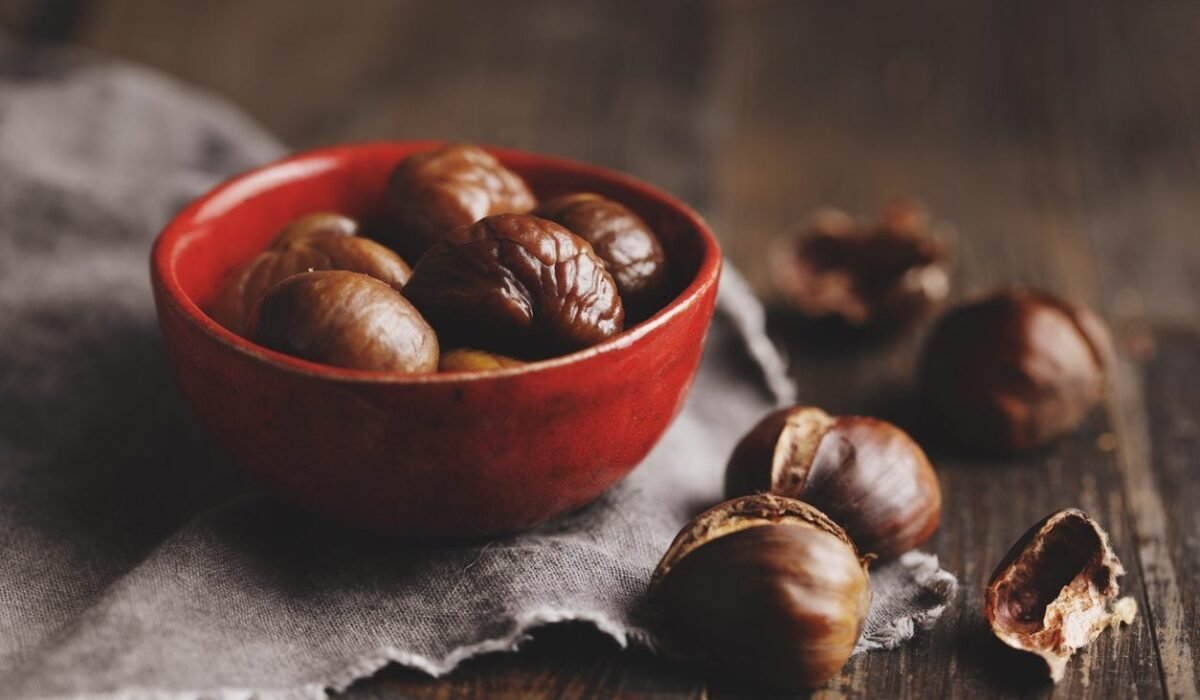

Chestnuts are a delicious and comforting symbol of autumn, offering a wonderful balance of complex carbohydrates, fiber, and essential minerals. Unlike typical nuts, they are exceptionally low in fat and act as a wonderful source of slow-release energy.
Understanding their nutritional profile, proper portion sizes, and best cooking methods helps you incorporate this seasonal favorite into a balanced diet.
Nutritional Profile and Health Benefits
Chestnuts are primarily composed of water and complex starches, providing about 175 kcal per 100 g of fresh edible portion. They provide approximately 36 g of carbohydrates per hectogram, balanced by a generous amount of fiber that supports satiety and steady blood sugar levels.
Click “Next Page” to see the next part of the recipe! 👇
Side 1 av 3